Description
IVF in Mashhad: a complete guide to infertility treatment and clinical care
Infertility is one of the major challenges couples face today and often leads to complex treatment pathways. In vitro fertilisation (IVF) is the most effective and best-known assisted reproductive technique (ART), and in recent decades it has brought hope to many couples for whom simpler treatments did not work.
With advanced treatment centres, fertility sub-specialists and modern laboratory equipment, Mashhad has become one of the main centres for infertility treatment in eastern Iran. Understanding the physical and emotional demands of this process, Tose Salamat in Mashhad provides dedicated clinical care at home to make the treatment journey easier for couples.
The science behind IVF
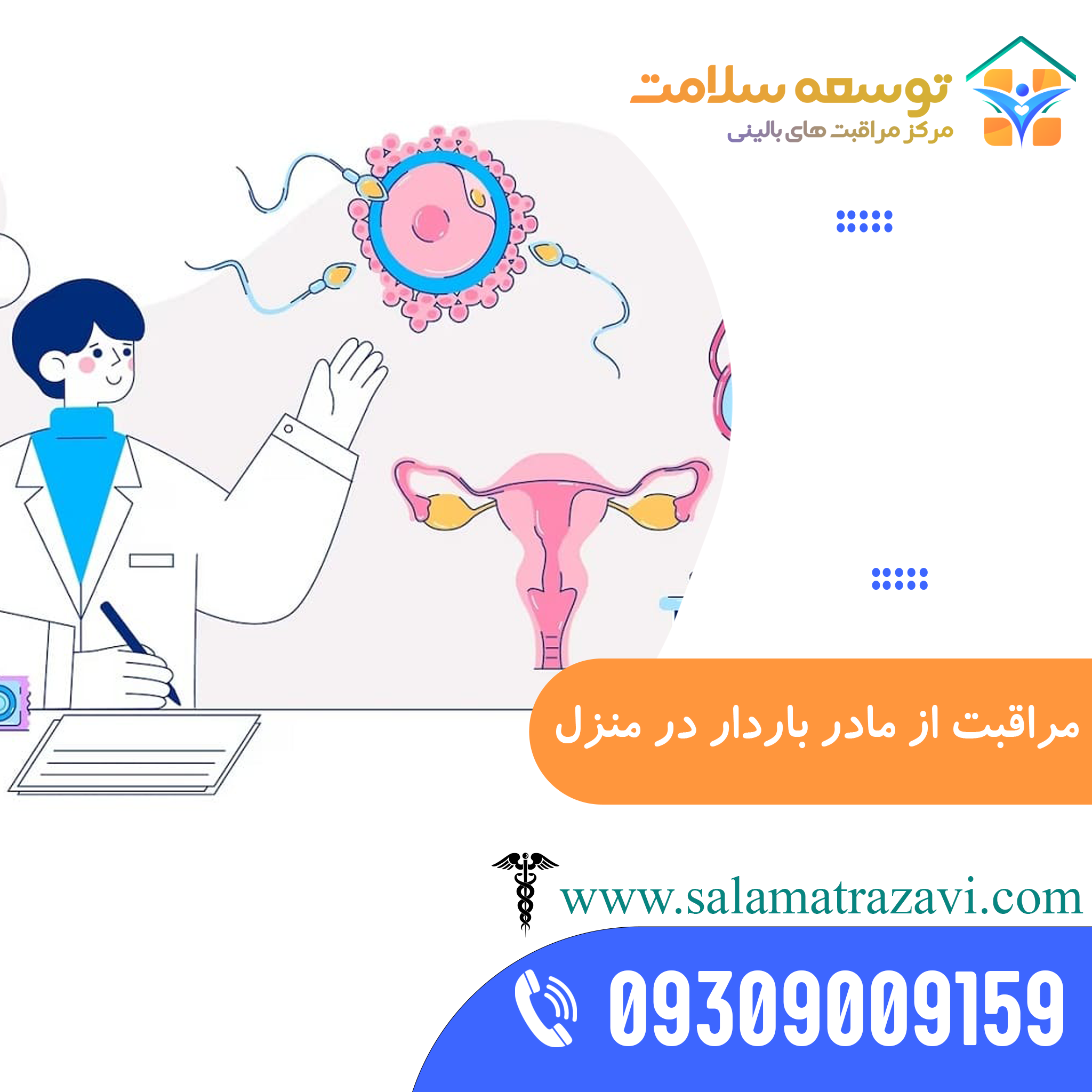
In IVF, eggs are retrieved from the woman’s ovaries and fertilised with the man’s sperm in the laboratory. The embryo grows under controlled conditions and is then transferred to the mother’s uterus so that implantation and pregnancy can proceed naturally. Unlike natural conception, which happens in the fallopian tubes, fertilisation takes place outside the body in a controlled environment — raising the chance of success when the tubes are damaged, when there are severe sperm problems, or when other treatments have not worked.
The stages of IVF: from ovarian stimulation to embryo transfer
Success in IVF depends on precise medical steps, each of which can be followed with clinical support:
- Ovarian stimulation: hormone medicines stimulate the ovaries to produce more than one egg (multiple follicles).
- Ultrasound and lab monitoring: follicle growth and hormone levels are measured to find the best time for ovulation.
- Egg retrieval (puncture): eggs are collected from the follicles under ultrasound guidance and light anaesthesia.
- Laboratory fertilisation: eggs and sperm are combined in a special culture medium.
- Embryo transfer: the embryos are placed in the uterine cavity with a special catheter.
Who is a good candidate for IVF in Mashhad?
The need for IVF is decided by a fertility specialist, but in general these groups benefit most:
- Women with blocked or damaged fallopian tubes.
- Women with severe endometriosis that has not responded to medication or simple surgery.
- Couples facing male-factor infertility (low sperm quality or count).
- Women with low ovarian reserve or over 35, who have limited time to conceive.
- Unexplained infertility after several unsuccessful IUI (intrauterine insemination) cycles.
- Couples who need pre-implantation genetic diagnosis (PGD) to avoid passing on inherited diseases.
How home care can improve the chances of IVF success
IVF treatment — especially ovarian stimulation and the period after embryo transfer — is a time when the mother needs calm, good nutrition and specialist care. The stress of travelling to fertility centres in Mashhad, traffic and everyday worries can affect how the body responds to treatment. By sending experienced midwifery and nursing staff to your home, Tose Salamat helps couples to:
- Have hormone injections given precisely and on time (according to the drug protocol) in the safety of home.
- Monitor vital signs and physical reactions to medicines under professional supervision.
- Benefit from nutrition advice to support egg quality and uterine health.
- Receive the emotional support they need during this sensitive time.
Managing hormone injections: the backbone of IVF treatment
One of the most important parts of IVF is the injection of ovarian stimulation medicines. These medicines, often gonadotrophins (FSH/LH), must be injected on a very precise schedule and at specific doses.
Any mistake in timing or variation in dose can lead to ovarian hyperstimulation syndrome (OHSS) or a poor ovarian response. Tose Salamat nurses, fully skilled in subcutaneous and intramuscular injection techniques, take on this important responsibility at home, so couples do not have to worry about injection errors.
Nutrition and lifestyle during IVF
Nutrition during IVF is not only about weight; nutrients directly affect egg quality and how receptive the uterus is. Our specialists recommend:
- Antioxidant-rich foods to counter oxidative stress in reproductive cells.
- More plant proteins and oily fish rich in omega-3.
- Limiting caffeine, simple sugars and processed foods.
- Staying well hydrated to support blood flow in the pelvis.
- Breathing exercises and gentle yoga (with your doctor’s agreement) to lower cortisol levels.
Care after embryo transfer: the critical implantation window
After the transfer comes the “two-week wait”, the most sensitive stage of treatment. During this time it is recommended to:
- Avoid heavy physical activity and lifting.
- Take it easy — but strict bed rest is not recommended, because good blood flow is needed for implantation.
- Avoid contact with strong chemicals, hair dye and similar products.
- Keep taking support medicines (progesterone or oestrogen pessaries) exactly as prescribed.
- Contact the home care team immediately if there is any spotting, abdominal pain or fever.
Monitoring symptoms after transfer (signs of implantation)
Many women feel anxious after embryo transfer. Our staff explain which signs may appear:
- Light (implantation) spotting, which may occur 7 to 10 days after transfer.
- Mild lower abdominal pain or a feeling of heaviness in the pelvis.
- Mood changes due to higher progesterone levels.
- Bloating and breast tenderness.
It is important to know that the absence of these signs does not mean the treatment has failed. The only reliable test is a beta-hCG blood test, which the centre can carry out at home.
Ovarian hyperstimulation syndrome (OHSS) and its management
OHSS is one of the serious complications of ovarian stimulation. Symptoms include a swollen abdomen, nausea, vomiting, shortness of breath and passing less urine. Tose Salamat’s clinical team monitors daily weight, waist measurement and breathing; if early signs appear, preventive steps are started and medical management at home or transfer to a specialist centre is arranged. This monitoring helps avoid unnecessary hospital admissions.
Emotional preparation for couples going through IVF
The IVF journey can be exhausting. If emotional strain between partners is not managed well, it can reduce the chance of pregnancy. Tose Salamat offers supportive counselling so that the mother has space to share her worries.
We also show partners how to play an active role in easing the emotional load. Social and emotional support in the calm of home has a real effect on the hormonal system and the response to treatment.
Lab support at home in Mashhad
To make things easier for couples, our centre carries out the lab tests needed during IVF at home:
- Blood samples for hormone tests (E2, progesterone, LH).
- Pre-pregnancy tests and routine screening.
- Urine sample collection when needed.
- Coordination with Mashhad’s specialist laboratories for fast delivery of samples.
These services let couples focus their energy on treatment rather than on tiring medical trips.
Genetic considerations and PGD in IVF
When there is a family history of genetic disease, fertility specialists use PGD (pre-implantation genetic diagnosis). One cell is taken from the developing embryo in the laboratory and tested for genetic health. Our home care team helps mothers follow the right care after the transfer of PGD-tested embryos, to give healthy embryos the best chance of implantation.
Frequently asked questions about IVF in Mashhad
Is the chance of twins or multiples high with IVF?
Yes. Because more than one embryo may be transferred to improve the chance of success, multiple pregnancy is possible. If this happens, our staff provide special care at home to protect the health of the mother and babies.
At what age is IVF most successful?
Age is the most important factor. The best success rates are usually seen under 35, but newer technologies in Mashhad’s centres have improved results at older ages too.
How long does an IVF cycle take?
From the start of ovarian stimulation to the pregnancy test takes about 4 to 6 weeks.
Is strict bed rest needed after embryo transfer?
No. Normal light daily activities are fine, but avoid heavy work, intense exercise and moving heavy objects.
What should we do if the test is negative?
Our team will support you. After a rest period, the next cycle can be planned after a closer look at your situation (improving sperm quality, nutrition or changing the drug protocol).
How much does home care cost?
The cost depends on the services needed (injections, nursing care, midwife visits). Call the centre for an exact price.
Does insurance cover IVF costs?
Some supplementary insurers cover part of the cost of infertility treatment. Our clinical team prepares the documents needed for your insurer.
How can we speak to your team for an initial consultation?
Just call the centre: our staff will review your situation and design the best home care plan for you.
Does the male partner’s diet affect IVF success?
Yes. Sperm quality plays a major role in fertilisation, and male factors contribute to a large share of infertility. A diet rich in zinc, selenium and antioxidant vitamins is also recommended for men.
Tose Salamat home clinical care centre, Mashhad
Understanding how sensitive and medically complex IVF is, Tose Salamat in Mashhad lets mothers and couples receive all the clinical care they need in the safety and privacy of home, under the supervision of experienced staff.
We believe that, alongside advanced medical technology, a calm home environment and continuous support from the care team are key to successful infertility treatment. Our staff follow your treating doctor’s protocols precisely at home, so nothing gets in the way of your treatment.
For advice and specialist home care during IVF in Mashhad, call +98 930 900 9159.